Pearl League advanced.


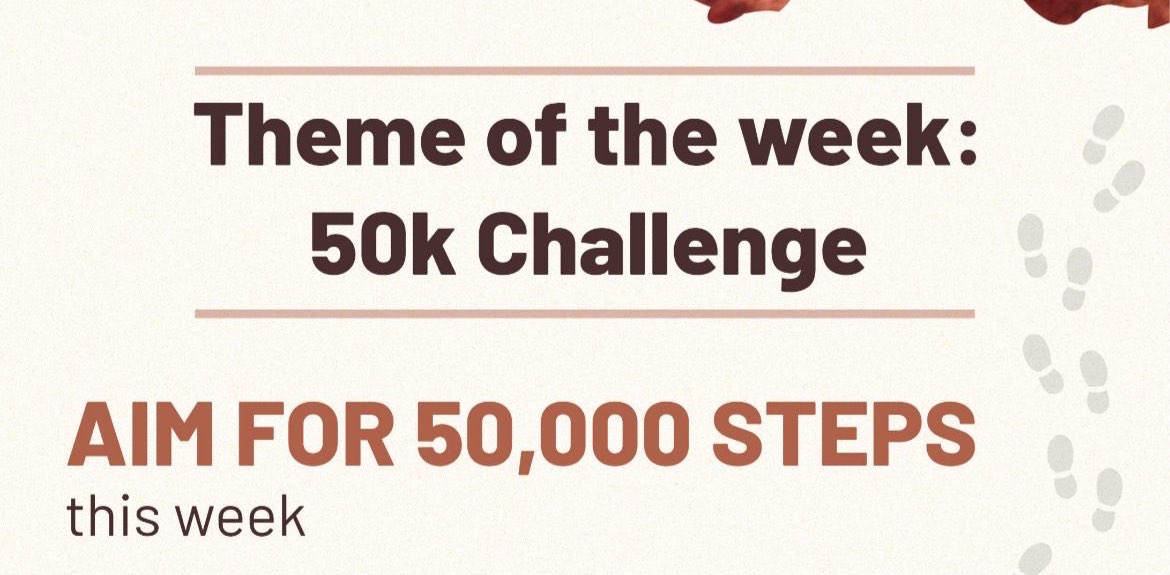
Welcome to the Alembic Stepathon Challenge: Walk for Wellness, Walk for Change! Get ready to move, challenge yourself, and stay active as we embark on this exciting journey. Challenge Period: 17th February '25 to 17th March '25





Pearl League advanced.

Poha is a rice derivative that's a good source of carbohydrates, protein, and dietary fiber. The nutritional value of poha depends on the ingredients and preparation method. Nutritional value Calories: A typical serving of poha (150 grams) has 150–200 calories. Carbohydrates: Poha is a primary source of energy, with 30–35 grams per 150-gram serving. Protein: Poha contains 3–5 grams of protein per 150-gram serving. Dietary fiber: Poha contains 2–4 grams of dietary fiber per 150-gram serving. Fat: Poha contains 2–5 grams of fat per 150-gram serving, depending on the amount of oil used. Vitamins and minerals: Poha contains vitamins and minerals like vitamin B6, magnesium, iron, and potassium. Other nutritional facts Poha is cholesterol-free, making it heart-friendly. Poha is a good breakfast item for weight loss diets. Poha can be made with different types of rice, including red and white poha.

Dal khichdi is a significant dish in Indian culture and cuisine. It's valued for its health benefits, and is considered a balanced meal. Health significance Nutrients: Khichdi is a complete meal that contains protein, fiber, carbohydrates, calcium, vitamin C, and potassium. Digestion: The combination of rice and lentils makes khichdi easy to digest. Heart health: The fiber and low fat content in khichdi can help reduce cholesterol levels. Energy: The carbohydrates in rice provide energy. Muscle repair: The protein in pulses like moong dal helps repair muscles.

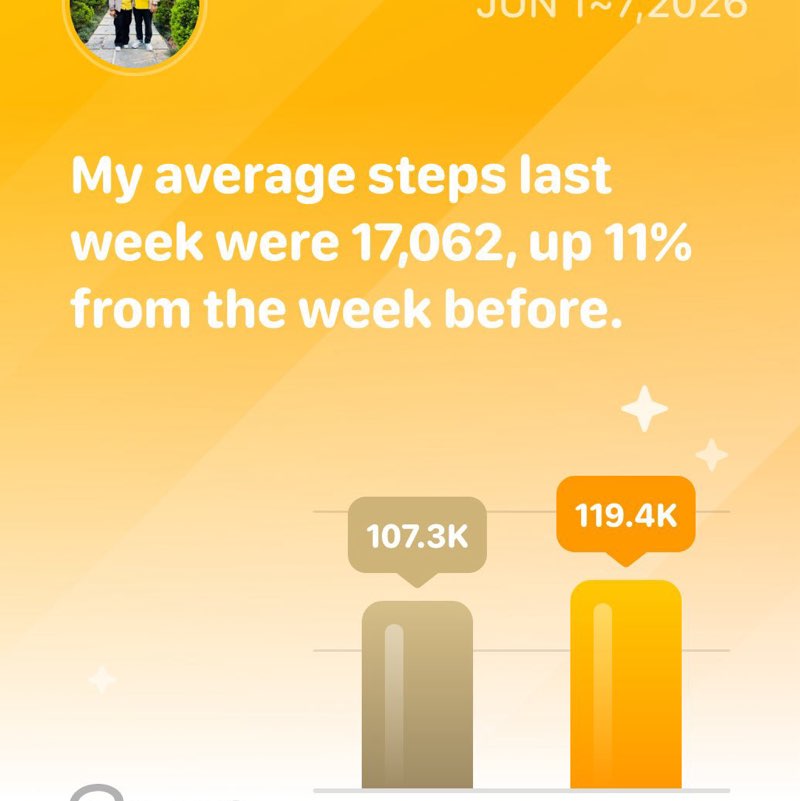
Pacer is the best walking app for walking challenges and finding places to walk near me.