

 Pacer Walking App
The #1 Walking App
Pacer Walking App
The #1 Walking App
 Scan with your phone
 to download App
In today’s fast-paced world, where stress and distractions seem to be constant companions, finding moments of peace and clarity becomes essential. Meditation and mindfulness offer powerful tools to cultivate inner calm, enhance well-being, and navigate life with greater awareness. This comprehensive guide will walk you through everything you need to know about meditation and mindfulness, from their benefits to practical tips for integrating them into your daily life.
Introduction
Meditation and mindfulness are ancient practices that have gained significant popularity in modern times for their profound effects on mental, emotional, and physical well-being. At their core, they involve cultivating a heightened state of awareness and presence, enabling individuals to manage stress, improve focus, and foster a deeper connection with themselves and the world around them.
Benefits of Meditation and Mindfulness
1. Mental and Emotional Benefits
Stress Reduction: Meditation and mindfulness techniques, such as deep breathing and focused attention, activate the body’s relaxation response, leading to decreased levels of stress hormones like cortisol. This reduction in stress can improve overall mood and resilience to daily challenges.
Anxiety and Depression Management: Regular meditation has been shown to reduce symptoms of anxiety disorders and depression. By cultivating a non-judgmental awareness of thoughts and emotions, individuals can develop healthier coping mechanisms and a more balanced perspective on their mental health.
Emotional Regulation: Mindfulness practices enhance emotional intelligence by increasing awareness of emotional triggers and responses. This heightened self-awareness allows individuals to navigate difficult emotions with greater ease and respond to situations in a more mindful and intentional manner.
Increased Happiness and Well-being: Studies suggest that mindfulness meditation can lead to greater feelings of happiness, contentment, and overall life satisfaction. By fostering present-moment awareness and gratitude, individuals can cultivate a deeper sense of fulfillment and joy in everyday experiences.
2. Cognitive Benefits
Improved Focus and Concentration: Regular meditation practice strengthens the brain’s ability to sustain attention and resist distractions. This enhanced focus can lead to improved productivity, better decision-making, and increased efficiency in tasks.
Enhanced Cognitive Function: Research indicates that meditation can promote cognitive flexibility, creativity, and problem-solving skills. By quieting the mind and reducing cognitive load, individuals may experience improved memory, learning, and information processing.
Mindfulness in Relationships: Practicing mindfulness can enhance interpersonal relationships by fostering empathetic listening, effective communication, and compassionate understanding. Mindful individuals are better able to connect with others authentically and cultivate meaningful and supportive relationships.
3. Physical Health Benefits
Cardiovascular Health: Meditation has been associated with lower blood pressure, reduced heart rate, and improved cardiovascular function. By inducing relaxation and reducing stress, meditation can contribute to a healthier heart and lower risk of cardiovascular diseases.
Pain Management: Mindfulness-based practices have shown promise in alleviating chronic pain conditions. By cultivating a non-reactive awareness of pain sensations, individuals can reduce the emotional suffering associated with pain and develop healthier pain management strategies.
Immune System Support: Research suggests that meditation and mindfulness practices may boost the immune system by reducing inflammation, enhancing immune cell activity, and promoting overall immune resilience. This can lead to better overall health and reduced susceptibility to illness.
4. Spiritual and Personal Growth Benefits
Self-Discovery and Insight: Meditation and mindfulness encourage self-reflection and introspection, leading to greater self-awareness and self-discovery. By exploring inner thoughts, beliefs, and values, individuals can gain valuable insights into themselves and their life’s purpose.
Connection to Others and the World: Mindfulness practices emphasize interconnectedness and compassion towards all beings. By cultivating a sense of unity and empathy, individuals can deepen their connection to others, nature, and the world at large, fostering a sense of belonging and interconnectedness.
Stress Resilience and Coping Skills: Regular meditation builds resilience to stress by training the mind to respond calmly and skillfully to challenging situations. This enhanced resilience equips individuals with effective coping strategies and a more adaptive mindset in the face of adversity.
Scientific Research and Evidence on Meditation
Numerous studies have provided compelling evidence supporting the positive impact of meditation on both mental and physical health. Research indicates that meditation can lead to structural changes in the brain, such as increased gray matter density in areas associated with memory, learning, and emotional regulation. Additionally, studies have shown that meditation can help alleviate symptoms of depression, anxiety disorders, and chronic pain.
Types of Meditation Practices
There are various meditation techniques, each with its unique focus and approach. Some popular types of meditation include:
- Body Scan Meditation:
- Sit or lie down comfortably and close your eyes.
- Start by focusing your attention on your toes, noticing any sensations or tension.
- Gradually move your awareness up through each part of your body, from your feet to your legs, torso, arms, neck, and head.
- As you scan each body part, release any tension you notice and breathe into the area, allowing it to relax fully.
- Complete the body scan by focusing on your entire body as a whole, feeling relaxed and at ease.
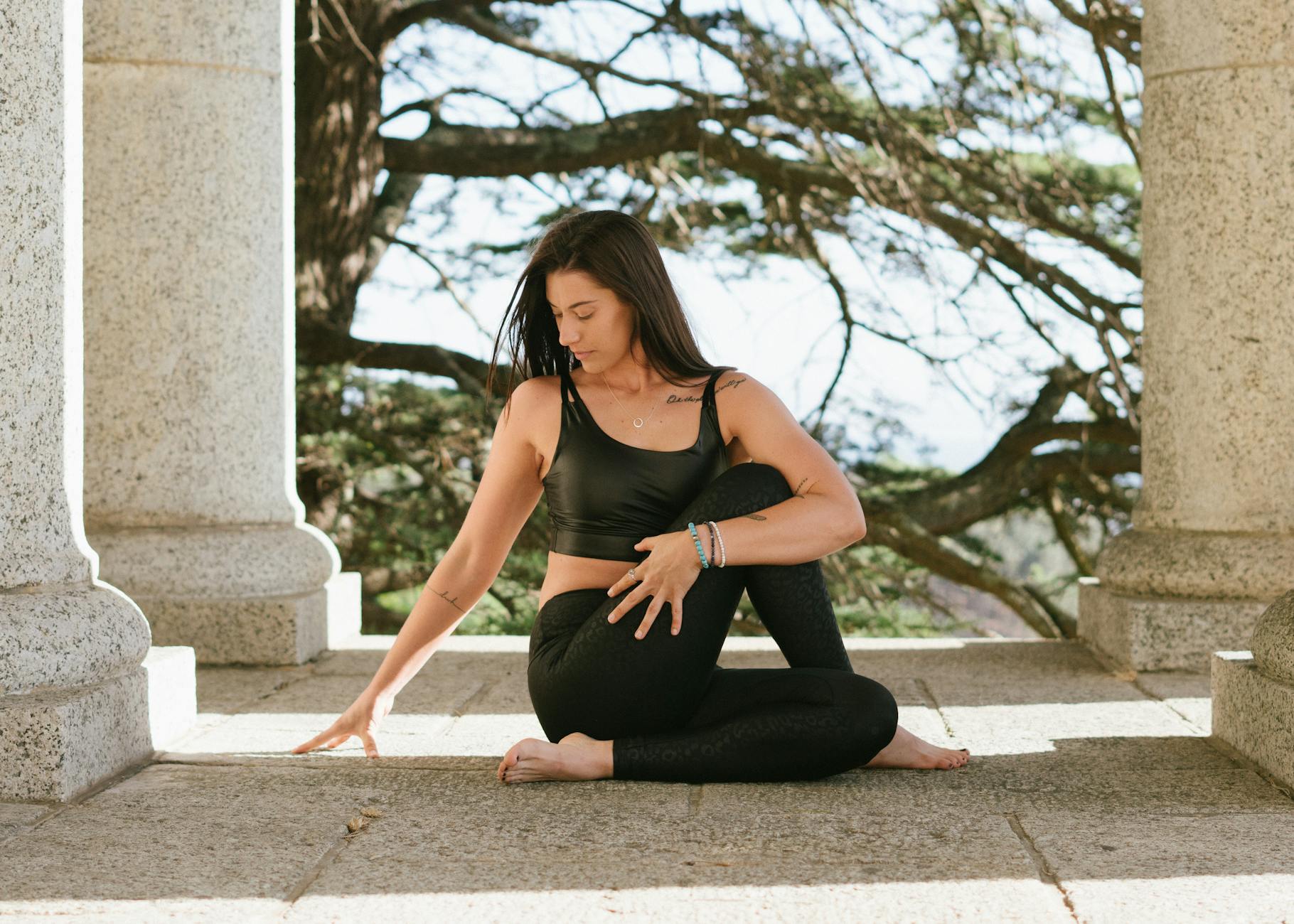
- Counting Breath Meditation:
- Find a comfortable sitting position with your back straight and hands resting on your knees.
- Close your eyes and take a few deep breaths to settle into the present moment.
- Begin to count your breaths, starting from one and counting up to five, then starting over at one.
- Focus on the sensation of each inhale and exhale as you count, keeping your mind anchored on the breath.
- If your mind wanders, gently bring it back to the count without judgment, starting again from one.
- Loving-Kindness Meditation (Metta):
- Sit in a comfortable position and close your eyes, taking a few deep breaths to relax.
- Begin by directing loving-kindness towards yourself, repeating phrases like “May I be happy, may I be healthy, may I be safe, may I live with ease.”
- Next, extend these wishes to a loved one, visualizing them in your mind and repeating the phrases for their well-being.
- Then, expand your circle of compassion to include neutral people, difficult people, and eventually all beings, wishing happiness and peace for everyone.
- Stay focused on the feelings of love and kindness throughout the meditation, letting go of any negative emotions.
- Sound Meditation:
- Sit comfortably and close your eyes, bringing your attention to the sounds around you.
- Notice the different sounds without labeling or judging them, simply observing their presence.
- Shift your focus from one sound to another, whether it’s the sound of birds chirping, traffic noise, or the wind.
- Allow the sounds to come and go naturally, maintaining a sense of openness and receptivity.
- If your mind starts to wander, gently bring it back to the present moment by returning to the sounds around you.
- Walking Meditation:
- Find a quiet and safe place to walk, such as a park or a peaceful room.
- Begin walking at a comfortable pace, paying attention to each step you take.
- Coordinate your breath with your steps, inhaling for a certain number of steps and exhaling for the same number.
- Notice the sensations in your feet and legs as they make contact with the ground, staying present with each movement.
- If your mind drifts, gently refocus on the sensation of walking and breathing, using the rhythm as an anchor.
- Mindfulness Meditation:
- Focuses on being present in the moment, observing thoughts and sensations without judgment.
- Transcendental Meditation (TM):
- Involves repeating a mantra to achieve a state of deep relaxation and heightened awareness.
- Guided Visualization:
- Uses mental imagery to evoke feelings of calm, positivity, and healing.
Getting Start
If you’re new to meditation, here are some steps to help you get started:
- Find a quiet and comfortable space.
- Sit or lie down in a relaxed position.
- Close your eyes and focus on your breath.
- Begin by taking slow, deep breaths, inhaling and exhaling through your nose.
- Notice any thoughts or sensations that arise without attaching to them, simply letting them pass.
- Start with short sessions (5-10 minutes) and gradually increase the duration as you become more comfortable.
Tips for Maintaining a Regular Meditation Practice
For Beginners:
- Start small with brief meditation sessions.
- Use guided meditation apps or videos for support.
- Be patient and gentle with yourself; progress takes time.
For Those Familiar with the Concept:
- Experiment with different meditation techniques to find what resonates with you.
- Establish a consistent practice schedule and commit to it.
- Reflect on the benefits you experience to stay motivated.
Incorporating Mindfulness into Daily Life
Mindfulness isn’t limited to formal meditation practice; it can be integrated into your daily activities. Here are some tips:
- Practice mindful eating by savoring each bite and paying attention to the flavors and textures.
- Engage in mindful walking by focusing on each step and the sensations in your feet.
- Take mindfulness breaks throughout the day to pause, breathe, and check in with yourself.
Resources
There are numerous resources available to support your meditation and mindfulness journey, including:
- Meditation apps (e.g., Headspace, Calm, Insight Timer)
- Online courses and workshops
- Books and podcasts on meditation and mindfulness
- Local meditation centers or classes
Conclusion
In conclusion, meditation and mindfulness offer transformative tools for enhancing your well-being and navigating life with greater clarity and presence. Whether you’re just beginning or have been practicing for years, incorporating these practices into your daily routine can lead to profound benefits for your mind, body, and spirit. Take the first step today towards a more mindful and fulfilling life.