


 Pacer Walking App
The #1 Walking App
Pacer Walking App
The #1 Walking App
 Scan with your phone
 to download App
Introduction
Welcome to the world of daily reading, where every page turned opens doors to new worlds, ideas, and possibilities. It’s like having a personal portal to Hogwarts, Narnia, and Middle-earth all in one! In this article, we’ll explore the myriad benefits of incorporating daily reading into your life, share tips to make reading a daily habit, and inspire you to embark on a journey of growth, laughter, and discovery through books.
Benefits of Reading
- Knowledge Expansion: Reading is the ultimate brain workout, like CrossFit for your mind but without the sweat stains.
- Improved Focus and Concentration: Say goodbye to wandering thoughts and hello to laser-like focus, because who needs distractions when you have a good book?
- Enhanced Vocabulary and Language Skills: Impress your friends with fancy words like “supercalifragilisticexpialidocious” and “pneumonoultramicroscopicsilicovolcanoconiosis.” Just don’t ask us to spell them out loud!
- Stress Reduction: Dive into a gripping mystery or a heartwarming romance, and watch your stress melt away faster than ice cream on a hot summer day.
- Empathy and Emotional Intelligence: Walk a mile in someone else’s shoes (figuratively, of course) and develop the emotional depth of a seasoned therapist. You might even start giving out free advice!
- Creativity and Imagination: Ever dreamed of riding a dragon or solving a crime with Sherlock Holmes? Reading fuels your imagination like jet fuel in a rocket ship.
- Continuous Learning: Who needs school when you have a library card? Lifelong learning becomes an adventure, with each book offering a new lesson or perspective.
Digital Reading vs. Print Reading: Navigating Choices
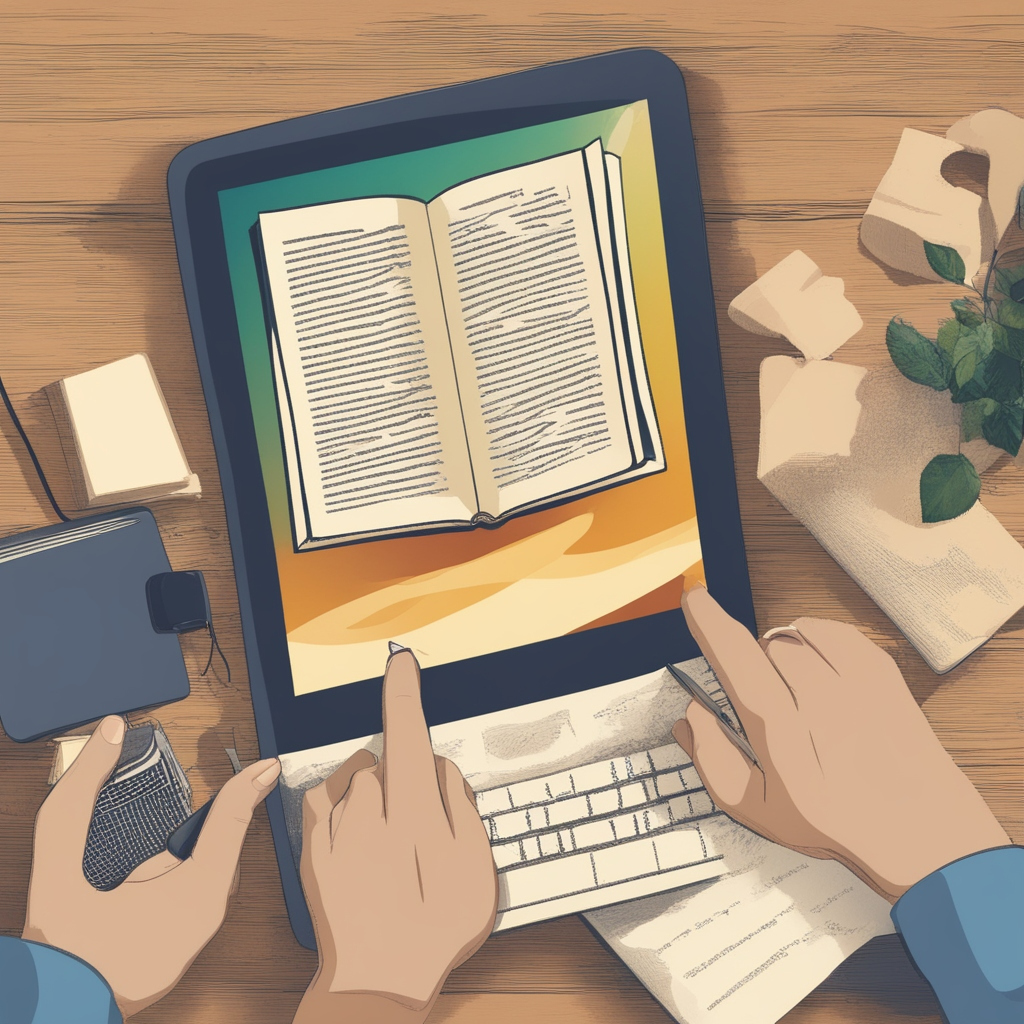
In an era where technology shapes our daily lives, the debate between digital reading (e-books, audiobooks) and traditional print materials (books, magazines) is pertinent. We’ll compare the benefits and drawbacks of each, exploring how technology has influenced our reading habits and preferences.
Digital Reading (E-books, Audiobooks)
Benefits:
- Convenience: E-books and audiobooks can be instantly downloaded and accessed from anywhere, eliminating the need to carry physical books.
- Portability: Readers can carry an entire library of digital books on a single device, making it ideal for travel or commuting.
- Customization: Digital platforms often offer customization options like adjustable font sizes, background colors, and audio playback speeds to enhance the reading experience.
- Accessibility: E-books and audiobooks provide accessibility features such as text-to-speech, screen magnification, and dyslexia-friendly fonts, catering to diverse reading needs.
- Environmentally Friendly: Digital reading reduces paper consumption and environmental impact compared to printing physical books.
Drawbacks:
- Screen Fatigue: Prolonged screen time can lead to eye strain and fatigue, especially for readers who already spend significant time on digital devices.
- Distractions: Digital devices can be distracting with notifications, emails, and other apps vying for attention, potentially disrupting the reading experience.
- Battery Dependence: E-readers and smartphones require battery power, and readers may face interruptions if their device runs out of charge.
- Ownership Concerns: There may be concerns about ownership rights, digital rights management (DRM), and the ability to access purchased content across different devices and platforms.
Traditional Print Materials (Books, Magazines)

Benefits:
- Tactile Experience: Many readers enjoy the tactile experience of holding and flipping through physical books, appreciating the texture, smell, and feel of paper.
- Reduced Screen Time: Reading print materials can provide a break from prolonged screen exposure, contributing to reduced eye strain and better sleep quality.
- Collectibility: Physical books and magazines can be collected, displayed, and shared, creating a sense of ownership and connection with the material.
- No Battery Dependency: Print materials do not require batteries or charging, ensuring uninterrupted reading sessions.
- No Digital Distractions: With no digital notifications or multitasking options, print reading offers a focused and immersive experience.
Drawbacks:
- Space and Storage: Physical books require storage space, and a large collection can lead to clutter unless adequately organized.
- Limited Accessibility: Print materials may not be easily accessible to individuals with visual impairments or mobility challenges without specialized formats.
- Environmental Impact: The production and distribution of print materials contribute to environmental concerns related to paper usage, ink, and transportation.
Influence of Technology on Reading Habits
- Shift in Preferences: Technology has led to a shift in reading preferences, with younger generations often gravitating towards digital formats for their convenience and technological appeal.
- Multimodal Reading: The availability of audiobooks and multimedia content has encouraged multimodal reading experiences, where readers combine listening, reading, and visual elements.
- Global Access: Digital platforms have facilitated global access to literature, allowing readers to discover and explore diverse authors and genres from around the world.
- Reading Communities: Online platforms, book clubs, and social media have fostered virtual reading communities, enabling readers to connect, share recommendations, and participate in discussions.
- Data Analytics: Digital reading platforms leverage data analytics to personalize recommendations, track reading habits, and provide insights into reader preferences, influencing content curation and marketing strategies.
Tips for Daily Reading

- Set Realistic Goals: Start small by committing to read for a few minutes each day, unless you’re reading “War and Peace”—then maybe start with a sentence or two.
- Create a Reading Routine: Find your reading nook—a cozy corner, a hammock in the backyard, or a bean bag fortress—and declare it your literary kingdom.
- Curate Your Reading List: Choose books that make your heart race with excitement, laughter, or curiosity. If a book doesn’t spark joy, Marie Kondo it out of your TBR (To Be Read) pile.
- Eliminate Distractions: Bid farewell to noisy neighbors, chatty pets, and that never-ending pile of laundry. It’s just you, your book, and a world of adventure.
- Join a Book Club or Reading Community: Because what’s better than discussing plot twists, character arcs, and book crushes with fellow bookworms? Spoiler alert: Nothing.
- Mix Up Your Reading Material: Explore different genres like a fearless explorer—today, a fantasy realm; tomorrow, a gripping thriller. Variety is the spice of literary life.
- Take Notes and Reflect: Capture your favorite quotes, jot down your thoughts, and ponder life’s mysteries—like why do characters always have to go into dark, creepy basements?
Conclusion
Embarking on a journey of daily reading is more than a habit; it’s a whimsical adventure, a thrilling escapade, and a heartwarming reunion with old friends (fictional, of course). So grab your bookmark, don your reading glasses (if needed), and dive into the world of books with gusto! May each page turn bring you closer to new discoveries, profound insights, and endless laughter. Happy reading, fellow book enthusiasts!